Real Jobs. Real Results.
- Fire & Smoke Damage
- Vandalism Removal
- Dry Ice Blasting
- Mould Remediation
- Insurance Work Welcome
Fire Damage Restoration · Adamstown NSW
Fire Damage Restoration in Adamstown: Removing Smoke and Soot from Brick with Dry Ice Blasting
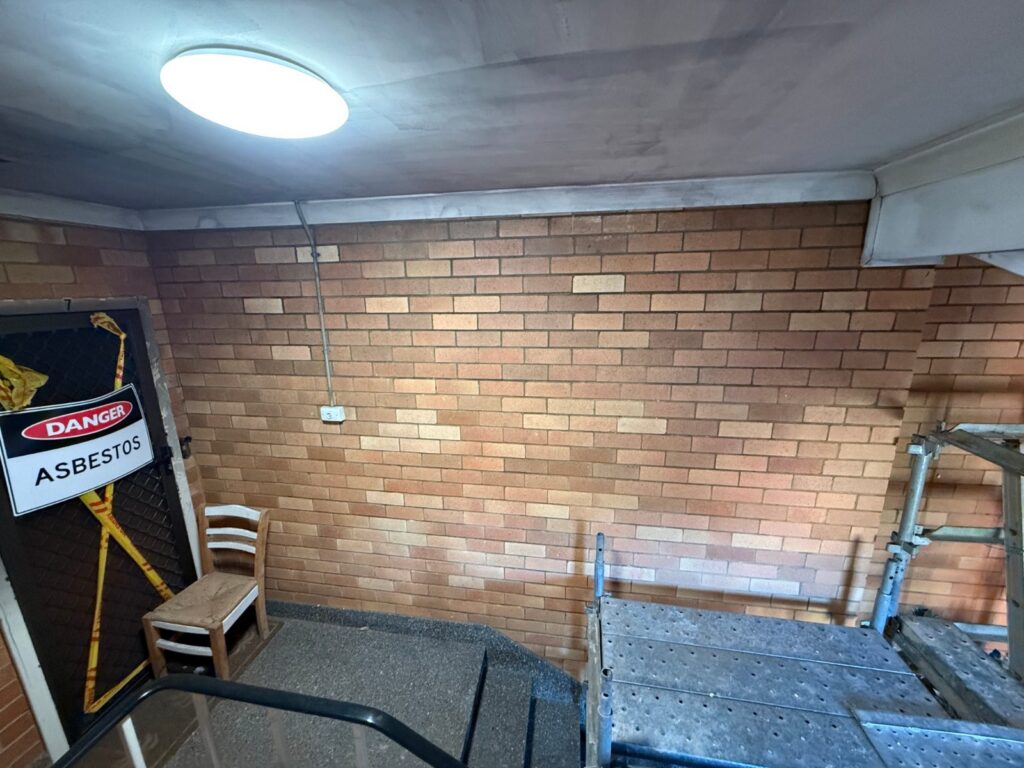
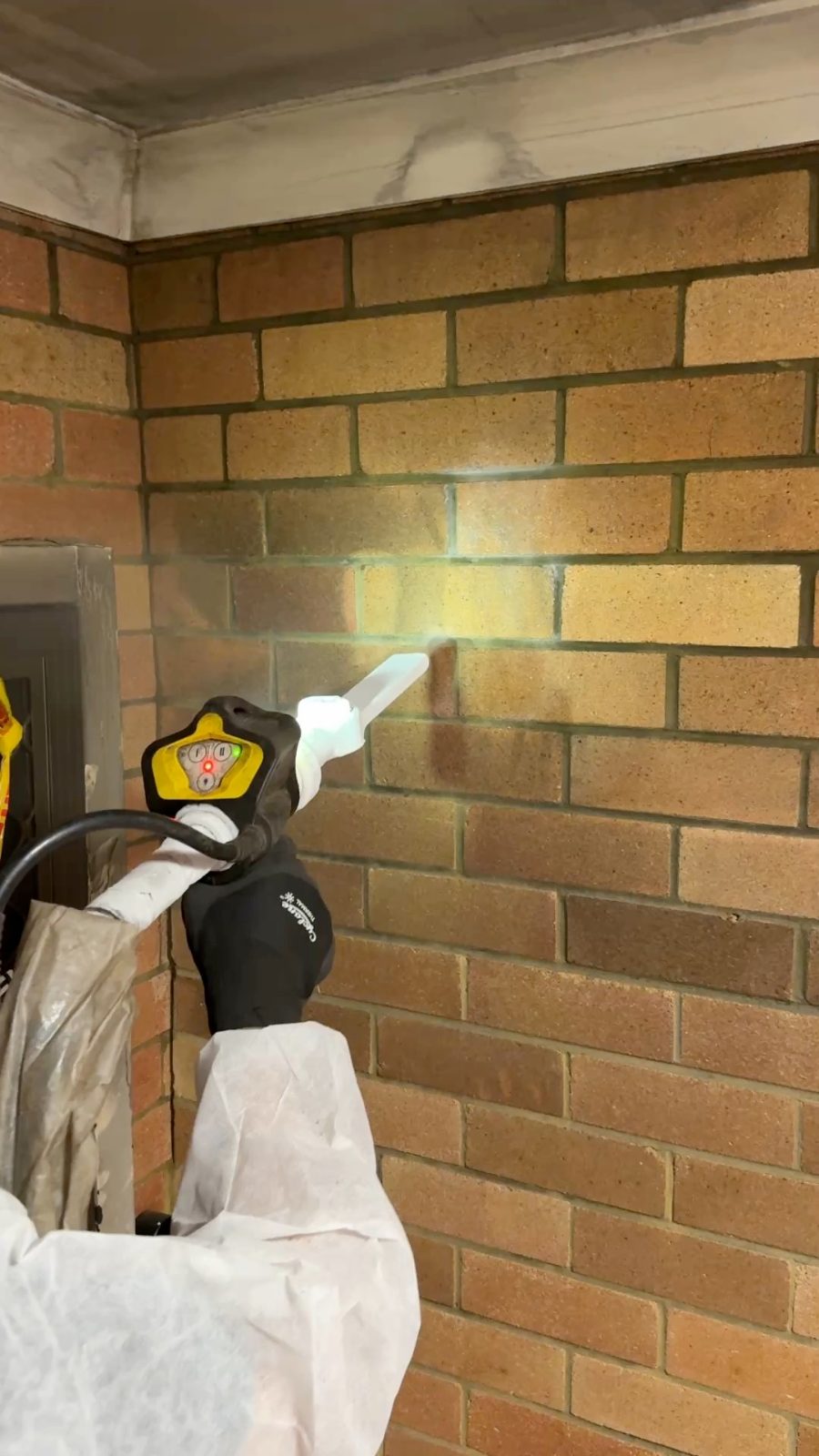
A fire in an apartment building is stressful for everyone involved: residents, strata and the insurer. Even when the fire itself is contained to a single unit, smoke and soot travel fast, and shared spaces often take the hit.
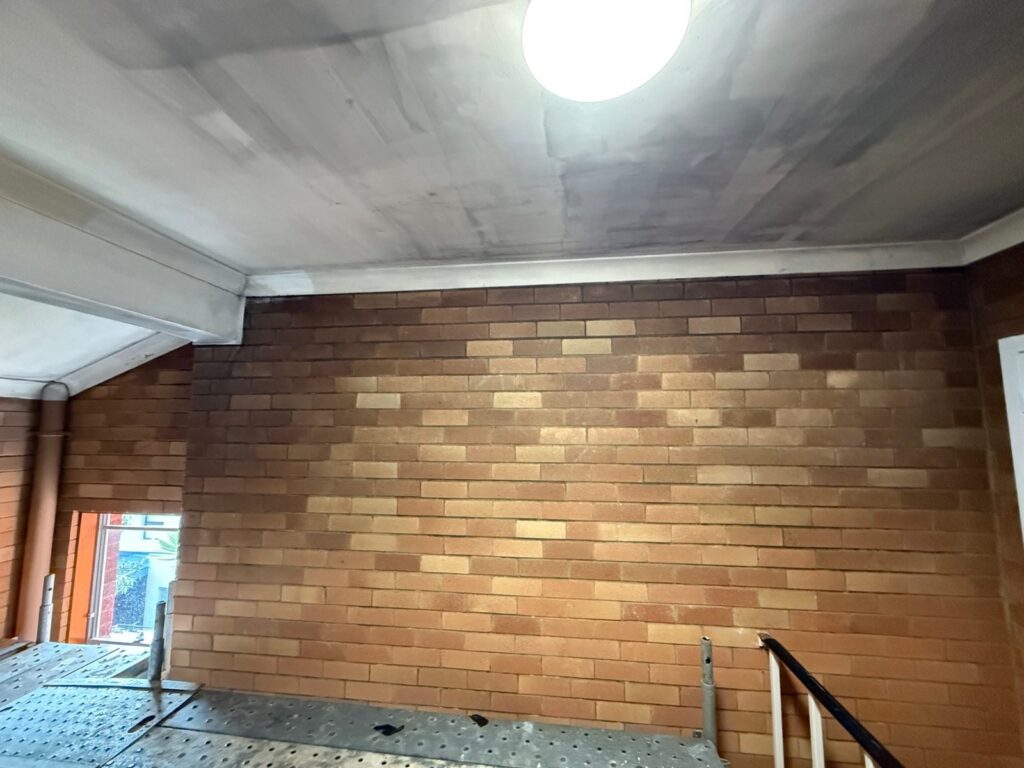
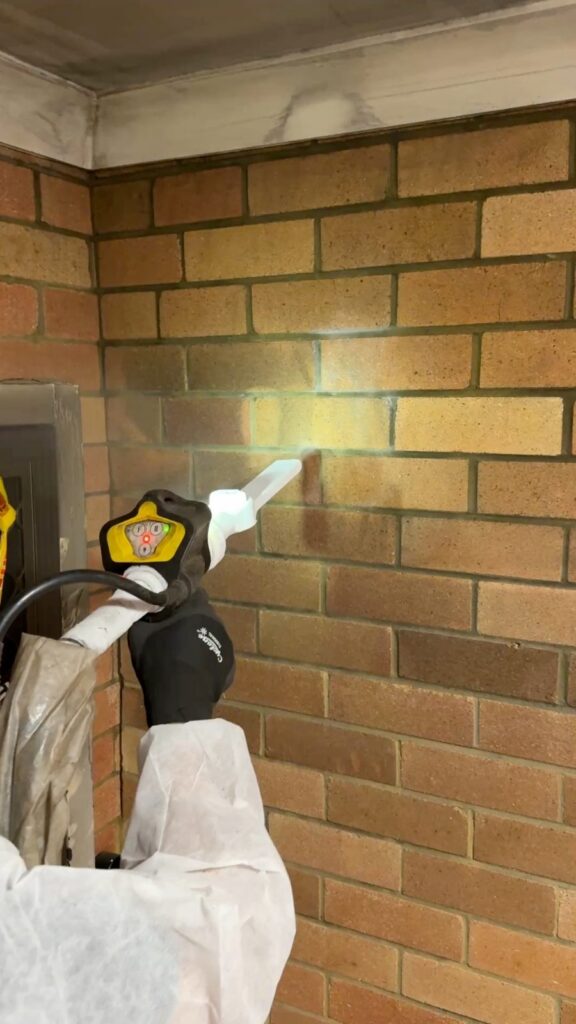
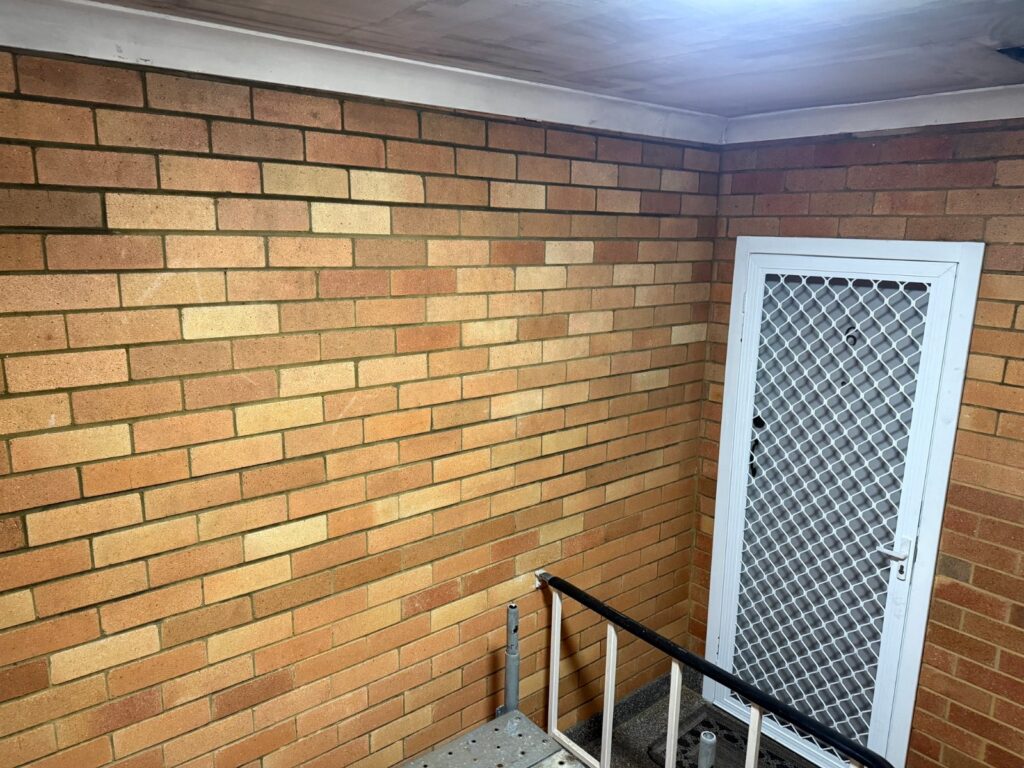
That was the case at a recent apartment fire in Adamstown, NSW. Smoke and soot contaminated the face brick walls throughout the building’s common area, leaving dark staining across hallways, around unit entries and up into the eaves. The Carpe Diem (CDCR) crew was engaged to restore the brickwork using dry ice blasting.
The Challenge: Soot on Face Brick
Soot is made of fine, oily carbon particles that settle into every pore and crevice of a surface. Face brick is especially vulnerable because it’s porous and textured, and the mortar joints trap residue even more.
Traditional cleaning methods tend to struggle here:
- Wiping or scrubbing smears the oily soot and pushes it deeper into the brick.
- Pressure washing can drive soot further into the pores, saturate the wall, and send dirty run-off through a building that’s still occupied.
- Chemical cleaners can discolour brick and mortar, and need careful handling and rinsing in shared living spaces.
The common area also had door frames, electrical conduit, switch boxes and other services fixed to the walls. Whatever method we used had to work around all of it without causing damage.
Our Process
1. Site assessment. We attended the site to inspect the extent of the smoke and soot contamination, look at the brick type and condition, and identify any access requirements and services on the walls.
2. Quote. We then provided a clear, detailed quote for the dry ice blasting works so the insurance builder knew exactly what was involved.
3. Mobilisation. Once the quote was approved, we mobilised our crew and equipment to site, including scaffolding to reach the upper sections of wall and the eaves.
4. Dry ice blasting. Our technicians, in full PPE, worked systematically through the common area, blasting the soot from the brickwork and mortar joints section by section. The difference between cleaned and uncleaned brick was obvious immediately, with the original colour of the brick coming straight back.
Why Dry Ice Blasting Works for Fire Damage
Dry ice blasting fires small pellets of solid CO₂ at the surface with compressed air. The extreme cold makes the soot brittle and breaks its bond with the brick, and the pellets lift it away. The dry ice then turns straight into gas, leaving nothing behind but the soot that’s been removed.
For fire damage restoration in an apartment building, that means:
- No water. Nothing soaks into the brick or runs through the building, and there’s no drying time.
- No chemicals. It’s safer for residents and the environment.
- Non-abrasive. Brick faces and mortar joints aren’t damaged.
- Safe around services. We can work close to door frames, conduit and electrical fittings.
- Less disruption. It’s a faster clean with minimal clean-up, so common areas are back in use sooner.
The Result
The outcome was fantastic. The smoke and soot were removed from the common-area brickwork, and the walls were returned to their original colour and texture without damaging the brick or mortar. There was no need for costly brick replacement or harsh chemical treatments.
The insurance builder was very pleased with the results, and the building’s residents got their common areas back looking as they did before the fire.
Need Fire Damage Restoration?
CDCR works with insurance builders, strata managers, property managers and owners on fire damage restoration across Newcastle, the Central Coast and the Hunter. Whether it’s soot on brickwork, smoke-damaged ceilings or contaminated structural timbers, dry ice blasting can often restore surfaces that would otherwise need replacing.
Vandalism Removal · Sunshine NSW
Egged House? How Dry Ice Blasting Removed Stubborn Egg Stains from a Rendered Wall in Sunshine NSW – Without Damaging the Paint
Finding your home pelted with eggs is upsetting enough. Discovering the mess won’t come off is even worse. On a recent job in Sunshine, NSW, CDCR was called in after a homeowner’s rendered brick wall was egged by vandals, and a DIY clean-up attempt had left the stains firmly in place. Here’s how dry ice blasting got the wall back to its original condition, without harming the render or the paint.
The Job: Vandalism Leaves Its Mark
The Sunshine property had been targeted by vandals who egged the front of the house, leaving yolk, white and shell residue across a painted rendered brick wall. Egg is deceptively tough. Once it dries, the proteins bond to the surface and soak into textured and porous finishes like render, leaving a dull, blotchy stain that’s hard to shift.
Why Pressure Washing Didn’t Work
The homeowner’s first instinct was to pressure wash the wall, which is a very common response. Unfortunately, it didn’t remove the stain.
Pressure washing often struggles with dried egg because:
- Water alone doesn’t break down egg proteins. Hot or cold, it tends to move the residue around rather than lift it out of the surface texture.
- Render is porous and textured. Residue sits in the tiny pores and ridges where a water jet can’t fully reach it.
- Turning up the pressure is risky. Higher pressure can etch render, strip or blister paint, and force moisture into the wall, turning a cleaning job into a repair job.
With the stain still visible, the homeowner lodged an insurance claim.
Bringing in Dry Ice Blasting
The insurance builder managing the claim engaged CDCR to remove the egg residue. Rather than repainting or re-rendering the wall, we recommended dry ice blasting as a non-abrasive, targeted cleaning method.
Dry ice blasting works by firing small pellets of solid CO₂ at the surface using compressed air. Three things happen at once:
- Thermal shock: the extreme cold (around –78.5°C) makes the egg residue brittle and weakens its bond with the surface.
- Impact: the pellets dislodge the brittle residue.
- Sublimation: the dry ice turns straight into gas on contact, expanding rapidly and lifting contaminants away from the surface.
Because the pellets vaporise rather than grind, the process is gentle on the underlying render and paint. It also uses no water and no chemicals, and leaves no secondary waste. The only thing left to tidy up is the residue that’s been removed.
The Result
The egg stain was completely removed from the rendered wall, and the render and paint were left intact and undamaged. No repainting, no patching and no re-rendering were needed, which meant a faster outcome for the homeowner and a more cost-effective result for the insurer.
Why This Matters for Insurers and Builders
Vandalism claims involving eggs, graffiti and similar contaminants can escalate quickly if the first clean-up attempt damages the surface. Dry ice blasting gives insurance builders and assessors a way to:
- Restore rather than replace, avoiding the cost and time of repainting or rendering.
- Protect delicate finishes such as paint, render, timber and heritage surfaces.
- Minimise disruption to the homeowner, with no water run-off and no chemical residue.
- Close claims faster, with a clean result in a single visit.
Dealing with Egg or Vandalism Damage?
If your property in Newcastle, the Central Coast or the Hunter has been egged or vandalised, our advice is to avoid aggressive pressure washing or harsh chemicals, as these can make the problem worse. Contact CDCR to discuss whether dry ice blasting is right for your surface. We work with homeowners, insurance builders and property managers across Newcastle, the Central Coast and the Hunter Region to restore surfaces safely and efficiently.
Dry Ice Blasting · Ex-Mine LandCruiser
From Mine Site to Like-New: Ex-Mine LandCruiser Underbody Clean and Protect
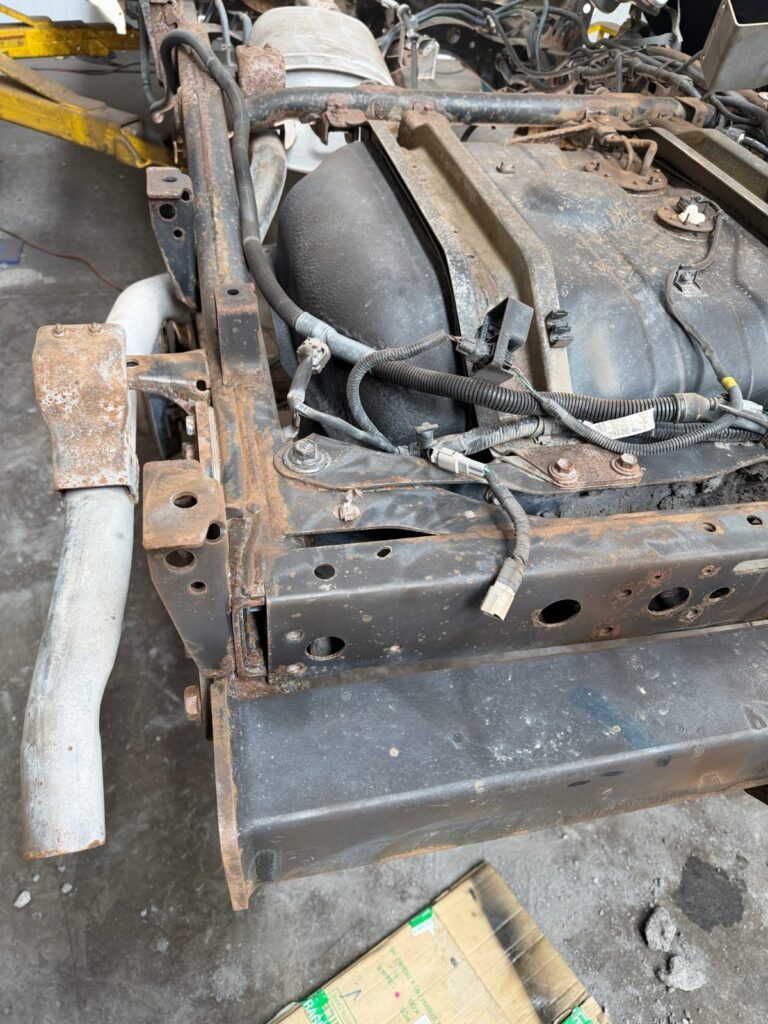
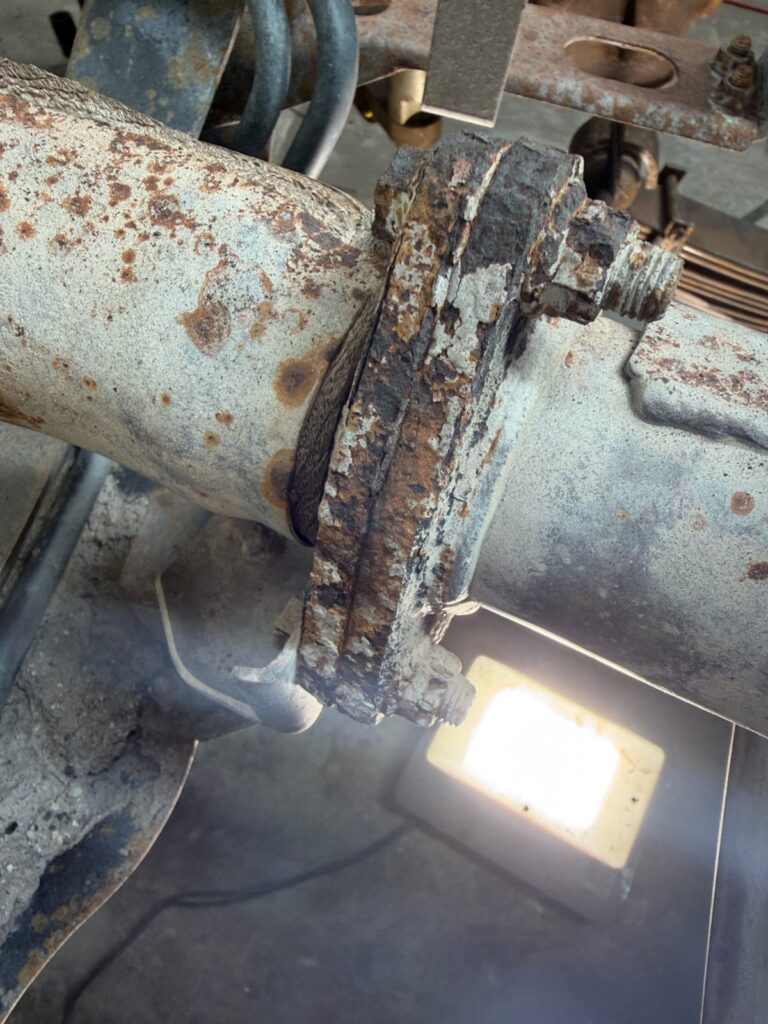
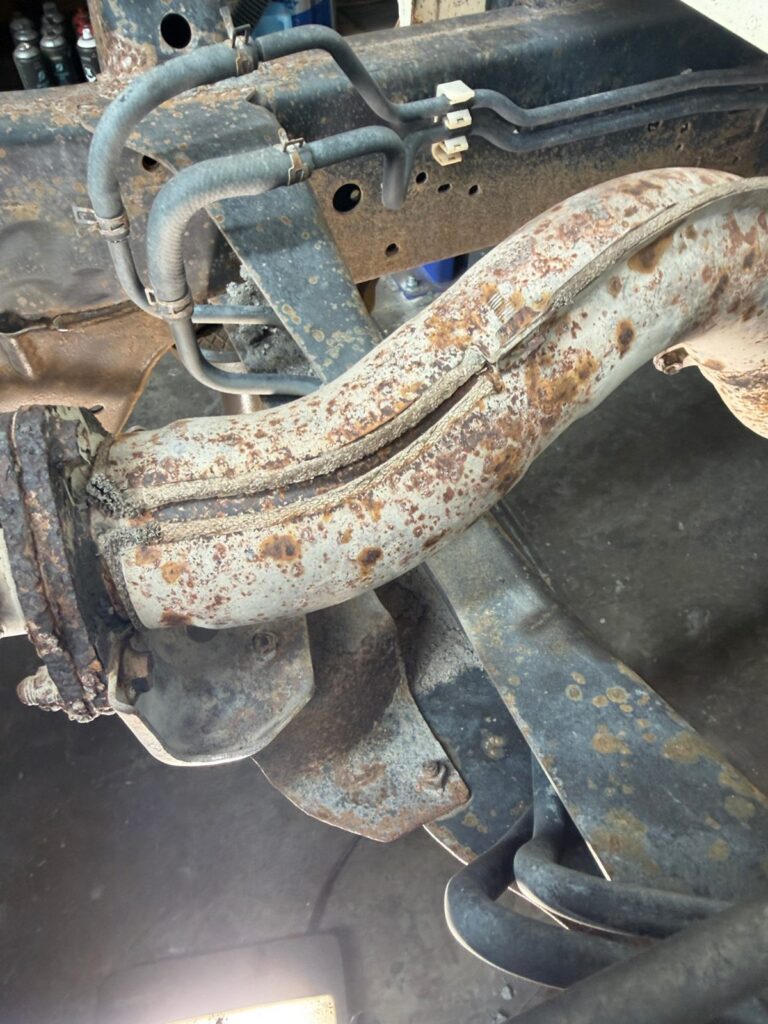
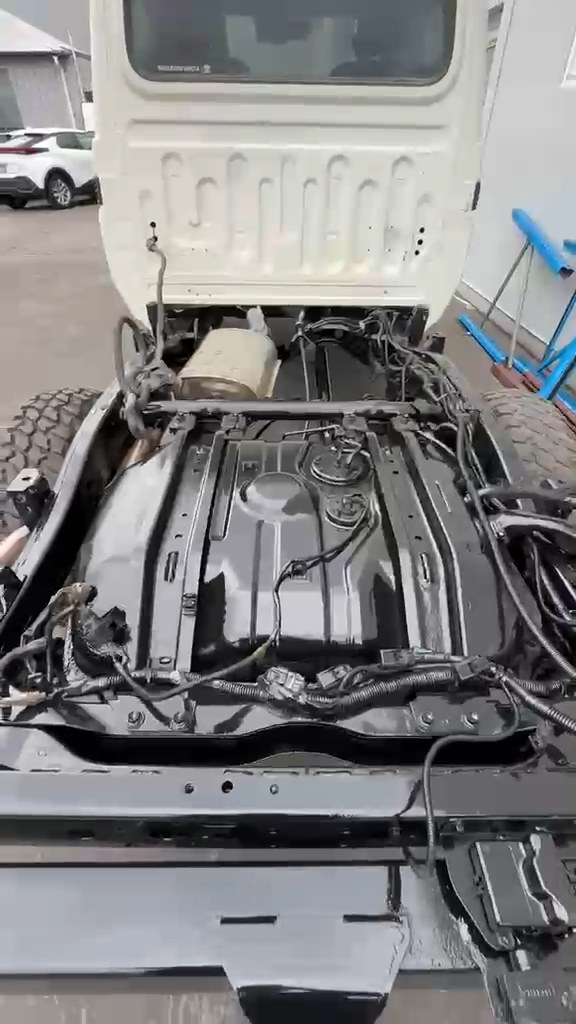
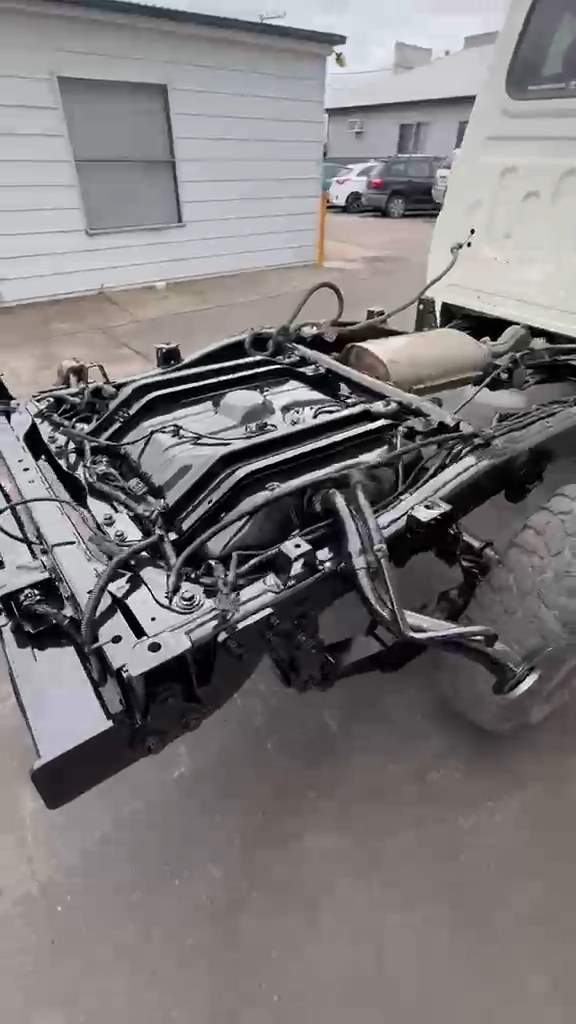
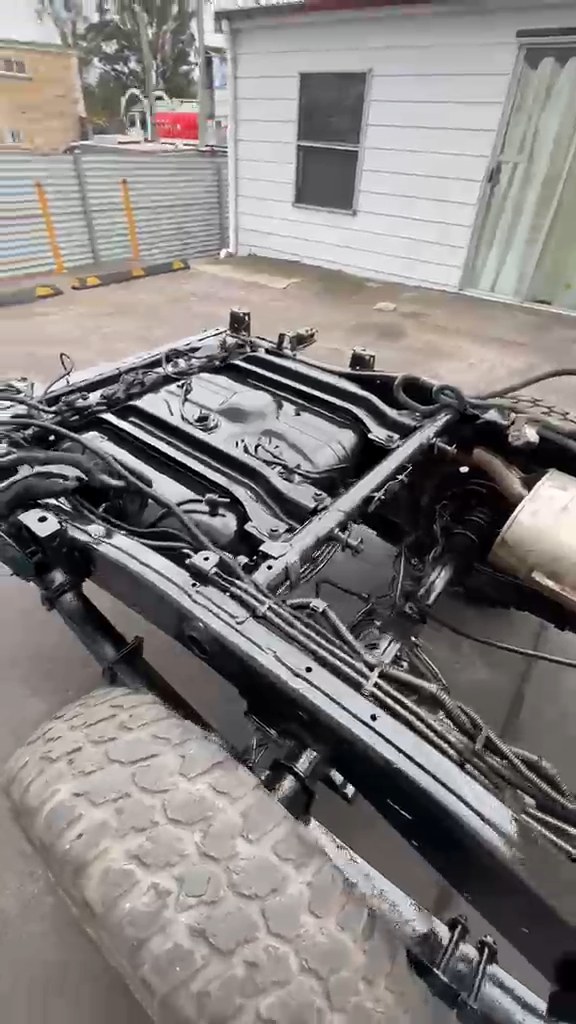
Mine site vehicles do it tough. Red dirt, mud, water crossings, salt and constant heavy use take a serious toll on everything underneath, and by the time an ex-mine ute hits the second-hand market, the underbody usually tells the full story.
CDCR recently took on an ex-mine Toyota LandCruiser 70 Series single cab ute with exactly that story. Using dry ice blasting, rust treatment, a paint touch-up on the chassis and cross members, and an IGL protective coating across the underbody, we cleaned and protected a rusty, mud-caked undercarriage and brought it up looking close to new.
The Before: Years of Mine Site Abuse
When the ute arrived, the underbody was in rough shape:
- Chassis rails and cross members covered in surface rust, scale and baked-on mud
- Fuel tank and tray supports coated in layers of dirt and grime
- Coil springs, front axle and suspension components showing widespread corrosion
- Exhaust spotted with rust
None of it was beyond saving, but left untreated, surface rust like this keeps spreading and eventually eats into the metal. It also makes it hard to inspect the vehicle properly and knocks a lot off its resale value.
Step 1: Dry Ice Blasting the Underbody
A good finish starts with a properly clean surface, so the first step was dry ice blasting the entire underbody.
Dry ice blasting fires small pellets of solid CO₂ at the surface with compressed air. The extreme cold makes mud, grease and loose rust brittle, and the pellets knock it free. The dry ice then turns straight into gas, so there’s no water, no chemicals and no blasting grit left behind.
For a vehicle underbody, that matters. Unlike sandblasting or soda blasting, there’s no abrasive media to work its way into wiring looms, brake lines, bearings or the engine bay, and no need to strip the vehicle down to bare components. Unlike pressure washing, no water gets pushed into seams and joints where it can cause more corrosion later.
The result was a clean chassis, cross members, fuel tank and suspension, ready for paint and protection.
Step 2: Rust Treatment
With the steel clean and the rust fully exposed, we treated the chassis, cross members and affected components with a rust treatment. This stops existing corrosion in its tracks and helps prevent new rust from forming, so the problem is dealt with at the source rather than just covered up.
This is the step that makes the result last. Painting over untreated rust only hides it, and it keeps working away underneath.
Step 3: Paint Touch-Up
Once the rust treatment was done, we touched up the paint on the chassis and cross members in gloss black. This restores the factory look and adds another layer of protection between the steel and the elements.
The difference is obvious straight away from the front of the ute, with the crisp black frame and cross members sitting cleanly under the white body.
Step 4: IGL Protective Coating
To finish the job, we applied an IGL protective coating to the underbody. This adds a tough barrier over the freshly cleaned, treated and painted surfaces, helping to:
- Resist moisture, mud and road grime, so dirt doesn’t bond to the surface as easily
- Protect against corrosion from water crossings, coastal air and salt
- Make future cleaning easier, as mud and grime wash off more readily
- Keep the finish looking fresh for longer
The coating gives the underbody a rich, glossy finish while protecting all the work underneath.
The Result: A Clean, Protected Underbody
The before and after speak for themselves. What started as a rusty, mud-caked ex-mine ute now has a clean, protected underbody that looks closer to a new vehicle than one that’s spent years on a mine site. The chassis, cross members and fuel tank are now gloss black, and the whole underbody is sealed and protected for the next chapter of its working life.
Who Is an Underbody Clean and Protect For?
A dry ice blast, rust treatment, paint touch-up and protective coating is a great option for:
- Ex-mine and fleet vehicles being prepared for resale or a second life
- 4WD owners who want to protect their underbody before or after big trips
- Buyers of used utes and 4WDs who want to stop rust before it spreads
- 4WD enthusiasts who want a clean, protected underbody without a full strip-down
- Businesses looking to extend the life of work vehicles and protect their value
Book Your Underbody Dry Ice Blast
If you have an ex-mine ute, work vehicle or 4WD in Newcastle, the Central Coast or the Hunter that’s showing its age underneath, CDCR can help. Our dry ice blasting, rust treatment, paint touch-up and IGL protective coating service can bring your underbody up clean and protect it for years to come.
Mould Remediation · Central Coast
Mould Remediation in Lake Munmorah, NSW
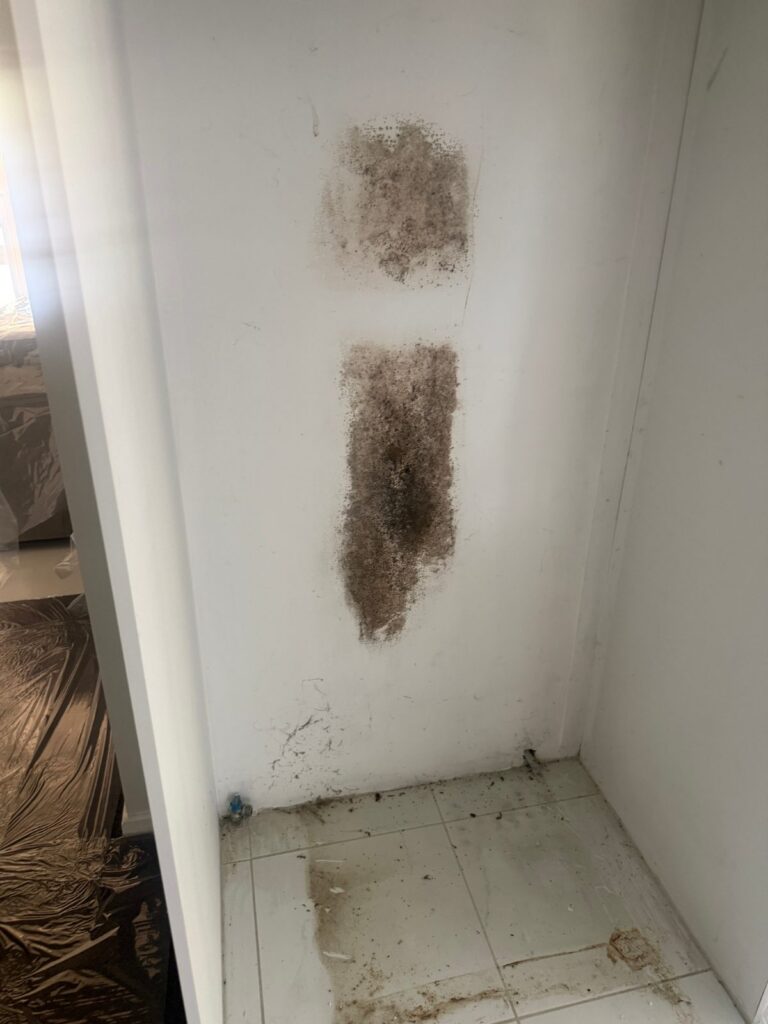
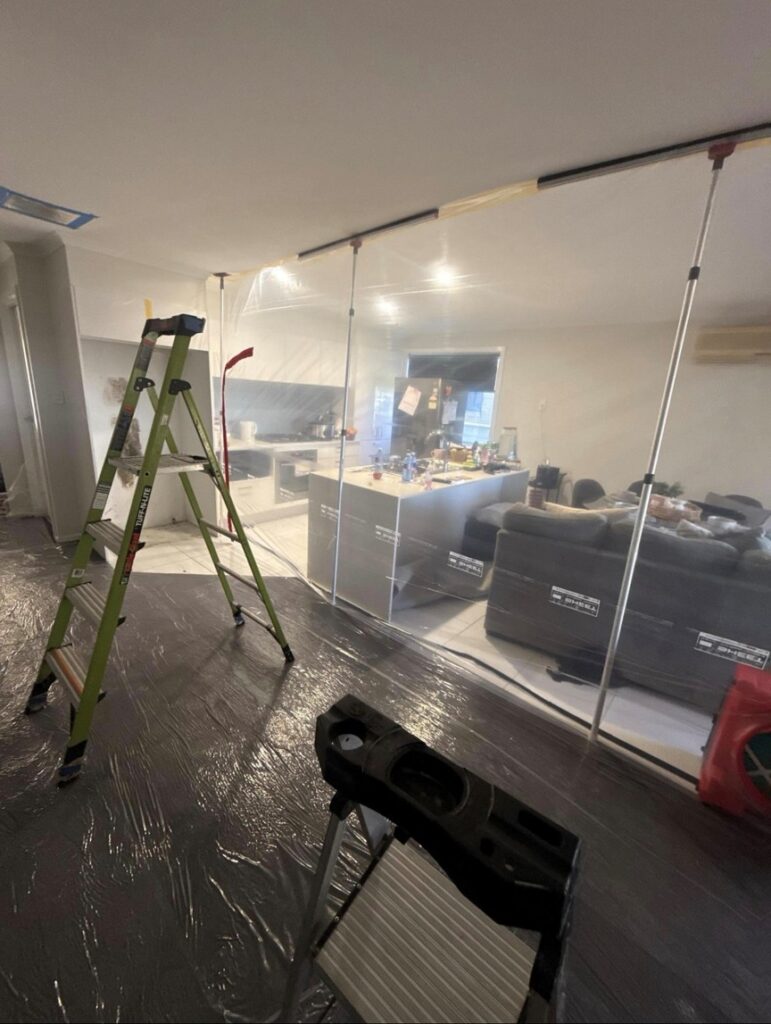
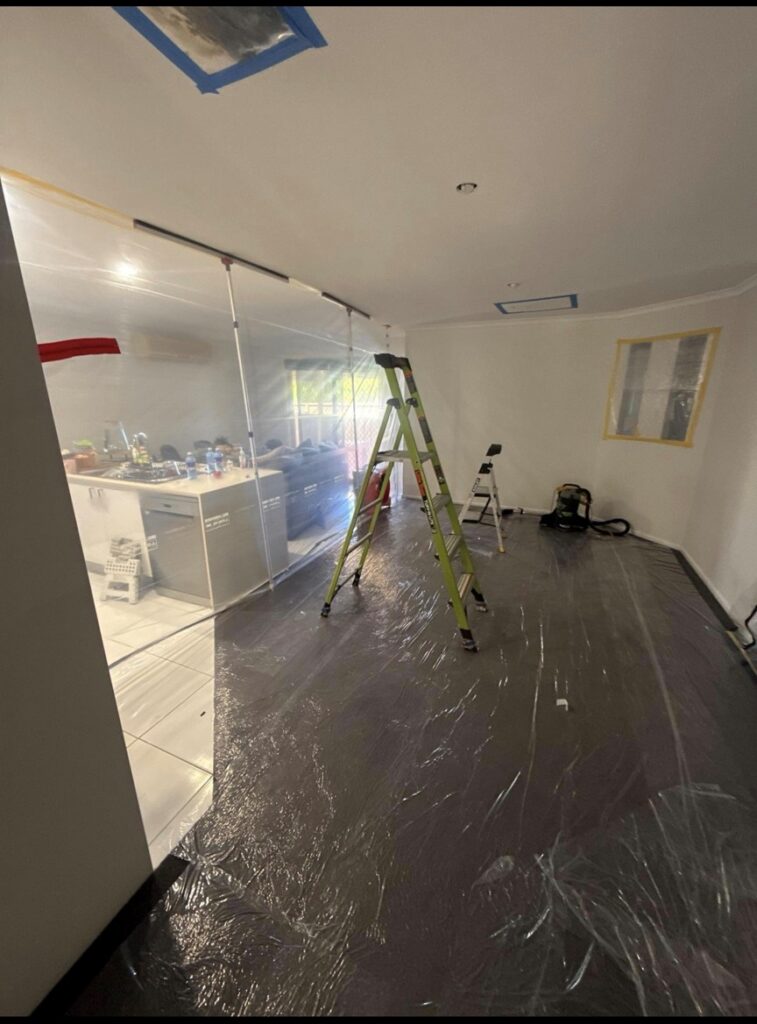
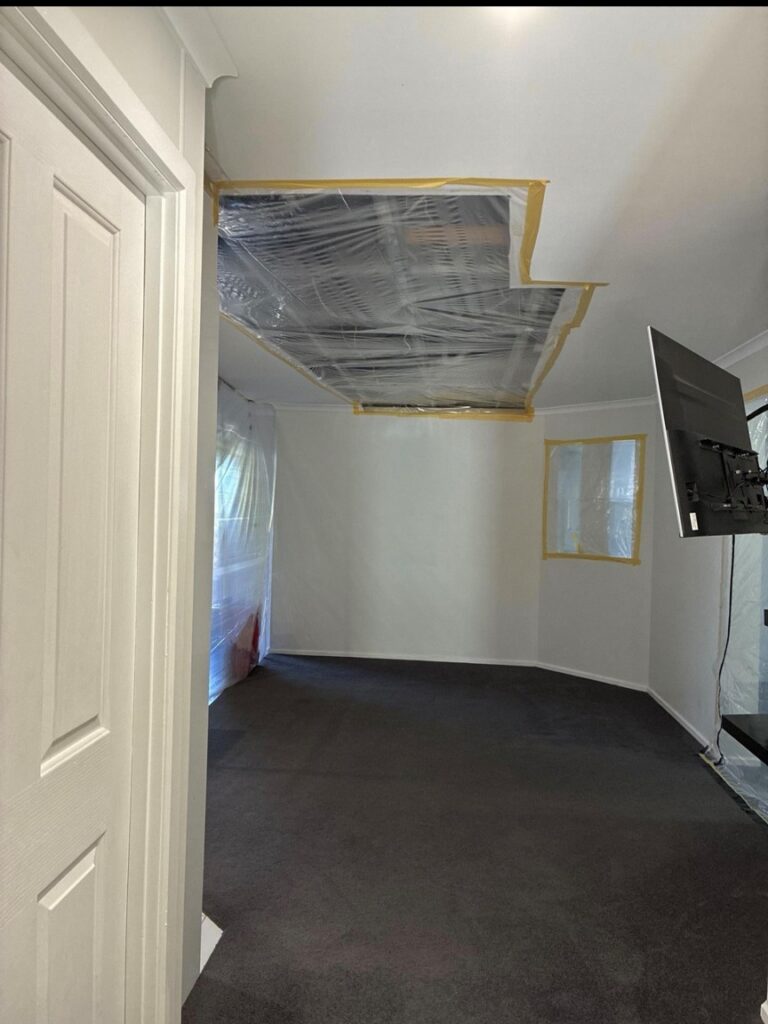
When mould took hold in the ceiling and walls of a family home in Lake Munmorah, the owners needed it gone without turning the whole house into a work site. CDCR contained the affected rooms, cut out the mould-damaged ceiling, cleaned every surface back to normal, and handed the job over for independent post-remediation verification (PRV). It passed clearance first time.
Here’s how the job ran, step by step.
The situation
Mould growth was found in the living and dining area, with visible contamination on the wall beside the kitchen and in the ceiling cavity above the main room. The kitchen and lounge sit in one open-plan space, so spores could easily travel into areas the family was still using.
The brief was clear: remove the mould properly, keep it out of the rest of the house, and prove the result with independent testing.
Step 1: Set-up, containment and engineering controls
Before any mould was disturbed, we sealed the work zone off from the rest of the home. Containment is what stops a clean-up from spreading spores into rooms that were never affected.
- Floor-to-ceiling containment wall. Spring-loaded poles held poly sheeting tight between the work zone and the kitchen and lounge, so the family could keep using the rest of the house.
- Floor protection. The carpet was fully sheeted and taped to keep debris off it.
- Sealed openings. Windows, air-conditioning vents and ceiling openings were masked with poly and tape so air could not carry spores through them.
- Negative air pressure. An air scrubber with HEPA filtration ran inside containment, drawing air through filters so contaminated air could not leak out.
- HEPA vacuums were set up on site for cleaning dust and debris as we worked.
Step 2: Source removal
With containment holding, we removed the mould at its source rather than just treating the surface. Wiping or spraying mould often leaves roots behind, and it comes back.
- Non-salvageable plasterboard cut out. Sections of the plasterboard ceiling that couldn’t be saved were cut out, bagged inside containment and removed from site.
- HEPA vacuuming. Every surface inside the containment chamber was HEPA vacuumed to capture mould fragments and settled spores.
- Condition 2 cleaning. All surfaces then received detailed Condition 2 cleaning, removing settled spores to bring the area back to normal (Condition 1) levels, in line with the IICRC S520 standard.
Step 3: Ready for PRV, and a first-time pass
Once source removal was done, the room was left clean, dry and still sealed, ready for post-remediation verification. PRV is an independent check that the mould is gone and the air and surfaces are back to normal levels.
The ceiling openings, window and vents stayed sealed so nothing could re-enter before testing. The independent assessor inspected the area and took samples, and the job passed clearance on the first attempt. With clearance confirmed, the space was ready for rebuild and the family could get their home back.
Why this approach works
- Containment first protects the rest of the home and the people living in it.
- Source removal, not cover-up. Cutting out non-salvageable plasterboard removes the mould instead of hiding it.
- Thorough cleaning with HEPA vacuuming and Condition 2 cleaning removes the settled spores that surface treatments leave behind.
- Independent clearance means the result is proven, not just promised.
Mould in your Central Coast home?
CDCR provides mould remediation and dry ice blasting across Lake Munmorah, the Central Coast and Lake Macquarie. If you’ve spotted mould or a musty smell that won’t go away, get in touch for an inspection and a clear plan to fix it.
Why Carpe Diem
Local.
Accountable.
Guaranteed.
5.0 Stars on Google
Fully Insured on Every Job
100% Satisfaction Guarantee
Service Area
Get in touch
Request a Free
Site Assessment
Prefer to call?
1300 232 700
Mon to Fri 8am to 6pm · Sat 8am to 3pm
Get a Free Quote
Looking for someone to handle your cleaning? Fill out our form below and one of our team will be in touch.